
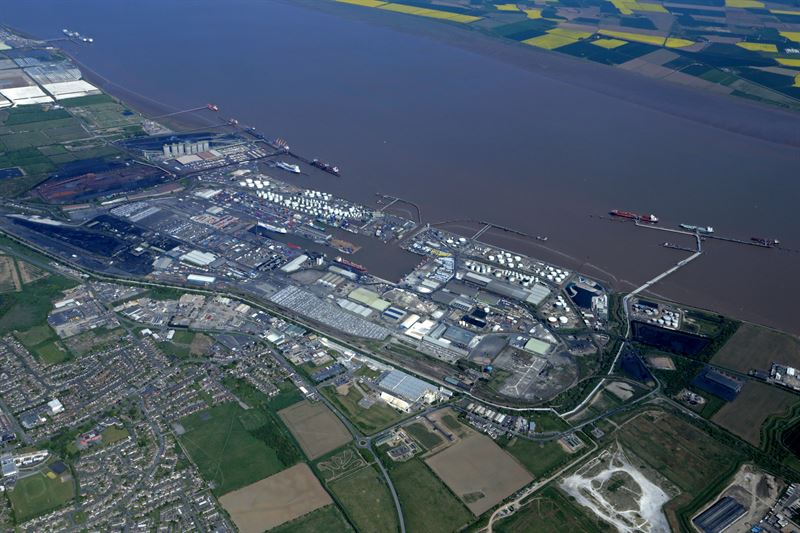
Work is set to begin on a new freight ferry terminal at the Port of Immingham following a joint investment of more than £200 million from Stena Line and Associated British Ports. The development strengthens Immingham’s position as a key logistics hub for unaccompanied freight, a segment that continues to expand across the Humber.
Niclas Mårtensson, CEO of Stena Line, said: “Stena Line has 20 routes across Northern Europe and the Mediterranean and Immingham port is a key part of that network. This project highlights our ongoing commitment to the North East of England but will also be integral to the expansion of freight operations on our routes between the UK and Continental Europe to meet demand.”
He added: “In addition to this major investment, we signed a landmark long term agreement with ABP securing our operations at the new terminal in Immingham through to the next century. This long-term commitment reflects our confidence in the region and reinforces Immingham as one of several significant investments across our UK and Ireland network, as we continue to evolve and exceed the expectations of our customers.”
The project, known as the Immingham Eastern RoRo Terminal, will sit on the Humber Estuary and is designed to accommodate larger vessels and faster sailing times. It will support Stena Line’s growing operations in the region, which already include daily services to the Netherlands.
Henrik Pedersen, CEO of Associated British Ports, said: “Associated British Ports is committed to fulfilling our mission to Keep Britian Trading as the UK’s largest and leading port operator. The Immingham Eastern RoRo Terminal is the latest demonstration of this commitment. I’m delighted that we continue to deepen our long-term partnership with Stena Line and strengthening choice and supply chain resilience for UK businesses trading with Europe.”
ABP’s Humber ports collectively handle the highest trade volumes of any UK port cluster, and the new terminal is expected to further increase capacity for importers and exporters across Lincolnshire and the wider UK.
Construction activity will generate around 700 jobs, with a further 200 roles anticipated once the terminal becomes operational. The scheme is regarded as a significant boost to local employment and the region’s freight infrastructure, offering long-term benefits for supply chain efficiency and market connectivity.