
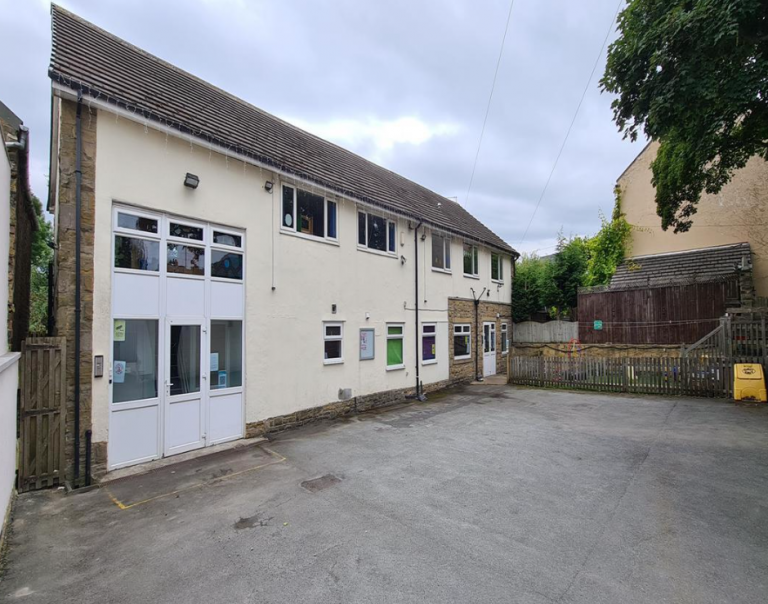
Specialist business property adviser, Christie & Co, has sold Rainbow House Private Day Nursery Ltd in Bradford.
Rainbow House Private Day Nursery Ltd is a well-established setting which provides day care for up to 88 children at any one time. It is located in Low Moor in Bradford.
The previous owners, who had owned the setting for 25 years, recently decided to sell to pursue a well-earned retirement.
Following a sales process with Grace Day at Christie & Co, it has been purchased by The Little Academy Day Nursery Ltd, which owns and operates two other sites around West Yorkshire.
Grace Day, business agent – childcare & education at Christie & Co, said: “Working with the vendors has been an absolute pleasure from beginning to end. They have established an impressive and highly respected nursery, which I was confident would attract significant interest.
“I am thrilled to have found the perfect buyers to continue their legacy and care for the team. This marks another successful nursery sale in West Yorkshire, which received multiple offers from a variety of buyers. The Yorkshire nursery market has been very active in recent months, and I anticipate this trend to continue.”
Rainbow House Private Day Nursery Ltd was sold for an undisclosed price.
UK ramps up semiconductor R&D with £7m investment in AI-enhanced materials discovery

The UK government is investing £7 million in AI-powered semiconductor research, aiming to accelerate the development of advanced materials through new infrastructure at the National Epitaxy Facility based at the University of Sheffield.
Backed by the Engineering and Physical Sciences Research Council (EPSRC), the funding will support the deployment of a Molecular Beam Epitaxy (MBE) system equipped with artificial intelligence to streamline and optimise the discovery of next-generation semiconductors. The new system is designed to explore novel material combinations, including the integration of semiconductors with superconductors, which could potentially enable entirely new categories of electronic devices.
The National Epitaxy Facility, operated in collaboration with the universities of Cambridge and UCL, plays a key role in UK semiconductor research and development. The upgraded MBE infrastructure will focus on sustainable materials using earth-abundant elements such as aluminum, nitrogen, and zinc, with an eye on environmental impact and global competitiveness.
Semiconductors underpin critical digital technologies, and breakthroughs in materials, like the development of Gallium Nitride, have historically led to new industries, including the global LED lighting market, now valued at £100 billion. The broader semiconductor industry is worth around £900 billion globally.
New roles for senior Yorkshire partners at Saffery
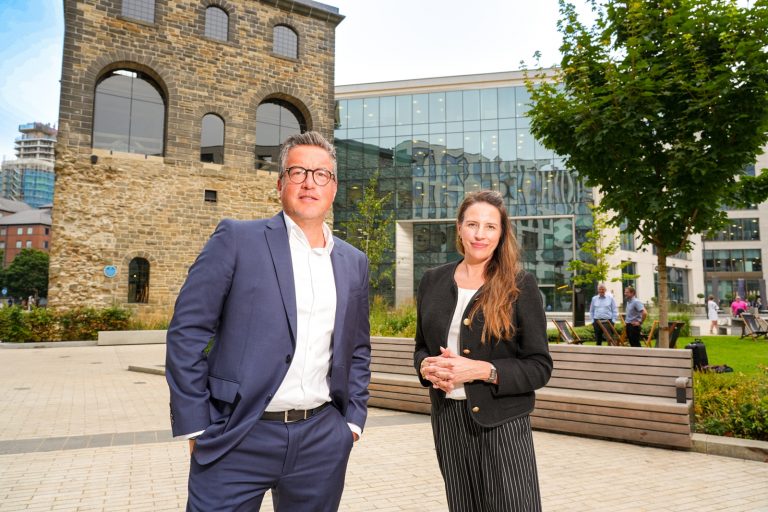
Chartered accounting and business advisory firm, Saffery, has made two key promotions in its senior leadership team in Yorkshire, with Sally Appleton becoming head of the Leeds office after taking over from Jonathan Davis who is now heading up the wider northern region.
Jonathan joined Saffery in 2012 and has led the Yorkshire team for the past six years. In his new role, he will oversee the running of Saffery’s offices in Leeds, Manchester, Edinburgh and Inverness.
He will continue to focus on his market presence in Yorkshire and his client portfolio which consists of owner-managed businesses, entrepreneurs, mid to large corporates and academies across the region.
This year Sally celebrates her twentieth anniversary at Saffery, and she now heads up the Yorkshire office at Wellington Place in Leeds city centre, which currently has an 84-strong team.
She is now responsible for managing all the office’s operations and overall client service, as well as a focus on recruitment, employee wellbeing and ensuring the office is aligned with Saffery’s national strategy.
Sally will continue to oversee her existing client work which includes multi-generational businesses across Yorkshire as well as charitable organisations, including independent schools and academies.
Sally, who grew up in West Yorkshire and becomes Saffery’s first female head of the Yorkshire office, said: “This opportunity is a genuine honour and it’s great to continue working alongside Jon, who will still be based locally in our Leeds office.
“It also comes just a few months after I was elected on to Saffery’s partnership committee which provides a governance and oversight function of the management board, on behalf of all Saffery’s 90 partners. It is an exciting time for the firm and I’m really looking forward to the challenges and opportunities ahead.”
Jonathan added: “Sally is a hugely respected member of the Saffery team, both in Yorkshire and across the wider firm, with both her clients and colleagues alike. She’s forward thinking, pragmatic and brilliant at problem solving, so she’s undoubtedly the right person to lead the Yorkshire office and I’m looking forward to supporting her in her new role.
“I’m stepping into my new role at a time when Saffery is in a very strong position in the north of England and Scotland. Both Leeds and Edinburgh have recently relocated into flagship new offices, at Wellington Place and Haymarket Square respectively, and when this is combined with the expertise and established client bases in Manchester and Inverness, it’s a superb area to head up with a highly knowledgeable and dedicated team of more than 350 people.”
Torsion Homes targets regional growth with £53.3m development pipeline

Residential developer Torsion Homes has announced a £53.3 million order book as it launches a new office in Stockport, signalling a focused expansion strategy across the North West.
The Leeds-based company is currently delivering seven residential schemes, including a £12 million development at Val D’or in Leeds, now under construction. Other ongoing projects include sites in Scorton, Richmondshire (£2.7 million) and Hebden Bridge (£4 million).
Torsion Homes operates a vertically integrated model covering land sourcing, development, construction, and sales. It is actively seeking land opportunities for sites with 10 to 40 units or more, with or without planning permission, to support its long-term pipeline.
The Stockport office marks a strategic step in scaling operations beyond Yorkshire, aligning with the wider Torsion Group’s three-year regional growth plan, which focuses on supplying housing across city centres, towns, and rural areas.
The expansion underlines the company’s ambitions to position itself as a key player in addressing the UK’s housing demand, particularly across Northern England.
Record-breaking year of growth for Tall
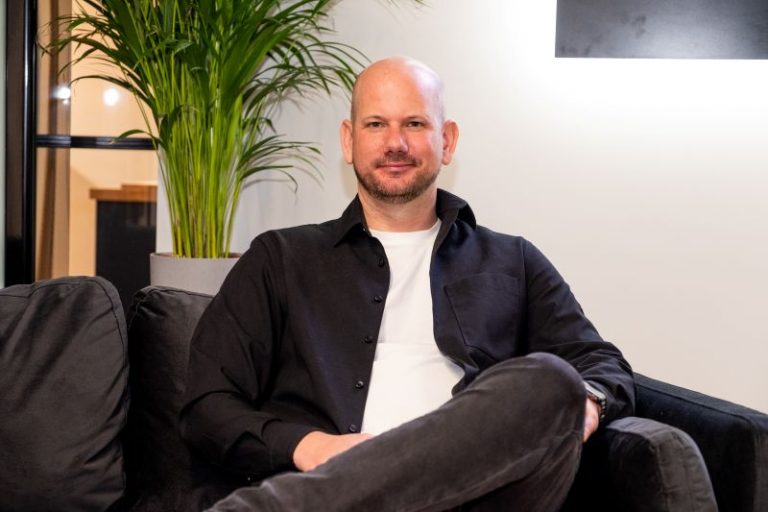
Leeds-based brand and digital experience specialist Tall has broken the £1.6 million turnover mark.
Success in 2024 has seen Tall achieve a 60% increase in revenue and a 20% increase in team growth, including welcoming a new head of digital to the senior leadership team.
Tall’s growth was also replicated client side with a 25% increase in client portfolio, adding to the existing roster of clients that include LEGO, SharkNinja and Tofoo.
Tall now sets its sight on new achievements, aiming to hit the £2 million turnover mark by the end of 2025 while unveiling a new rebrand.
Guy Utley, creative executive director of Tall, said: “With this rebrand, we have created a new proposition, which is still based on the same ethos we always had and our belief in ‘what if’. We always want to stay curious and ask what could be achieved.
“This is then backed by intelligent thinking and insight to create solutions, designed to connect the right people with the right brands. As technology advances, so should our skill set. The rebrand and our growth are synonymous with all of this exciting change.”
Plans lodged for 150-home scheme in Pickering
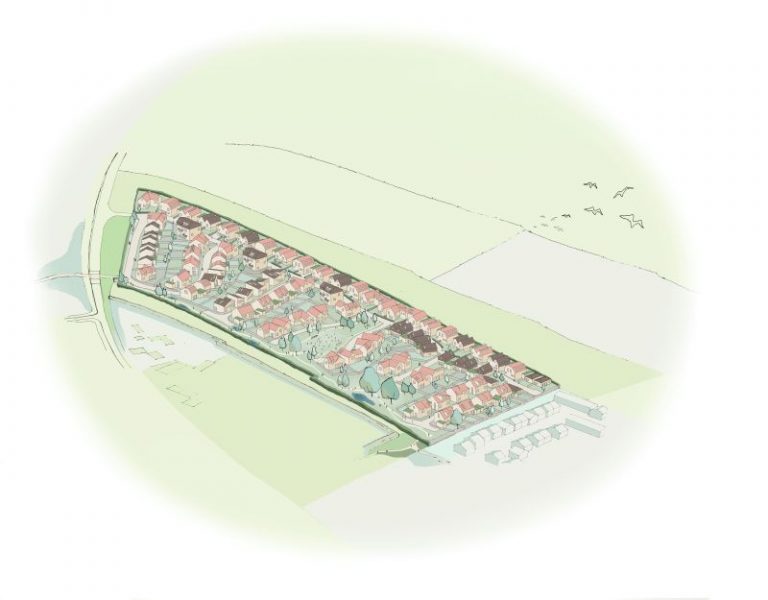
Keyland Developments Ltd, the property trading arm of Kelda Group and sister-company to Yorkshire Water, is seeking consent from North Yorkshire Authority to deliver 150 homes in Pickering.
The 12.4 acre site is located north of Whitby Road on the north-eastern edge of the market town of Pickering between existing communities and a new county park. The vacant site has been identified by Keyland as prime for a high-quality, sustainable development guided by its ‘Six Capital’s’ approach ensuring positive environmental, social and economic outcomes.
The masterplan has been devised by architects Tate + Co, whose past projects include working with The Eden Project. The development including areas of public space and a large-scale ‘green corridor’ for Pickering.
The proposed housing mix of 1-4 bed homes includes SME builder plots, self/custom-build opportunities and volume-built homes.
Matthew Turnbull, land & planning manager at Keyland, said: “Following our recent community consultations, this development represents a significant opportunity to deliver much-needed new homes for the Pickering area.
“The sensitive and sustainable design supports inclusive community growth, promotes active and healthy lifestyles, enhances ecological networks and positively contributes to Pickering’s economic and social fabric. We look forward to receiving feedback on our plans which we are confident will make a valuable and lasting addition to the town.”
Laurence Pinnfire, director at Tate + Co, added: “Working to Keyland’s ‘Blueprint for development’, the proposed scheme will be an exemplar of sustainable design.
“Demonstrating our commitment to Regenerative Architecture, the sympathetic masterplan takes into account the nature of the site, the character of its surroundings and the location’s existing areas of biodiversity to create a diverse and inclusive, community environment.
“New green links will provide improved connections with the local town and new county park. The masterplan will also deliver high-quality, ecological habitat. The team here at Tate + Co is delighted to be part of such an important – and positive – project for North Yorkshire.”
One of Yorkshire’s leading estate agents joins Lister Haigh
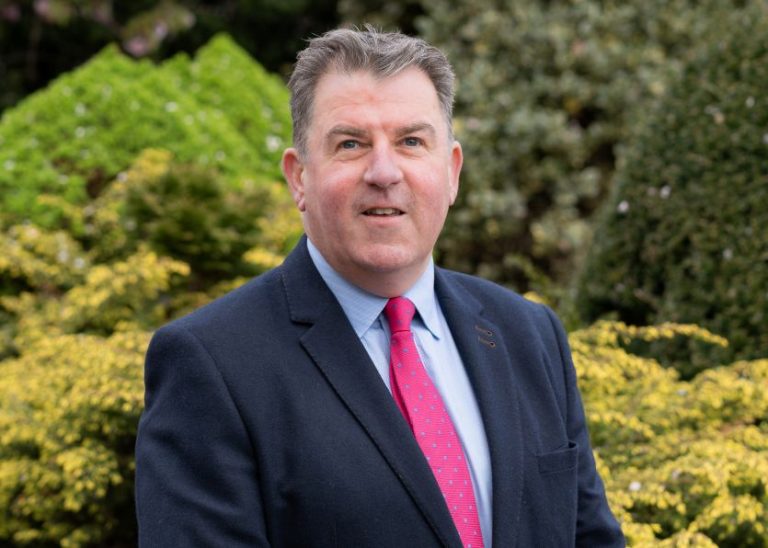
North Yorkshire rural property consultancy, Lister Haigh, has appointed highly experienced property professional Nick Talbot to head up its residential property offering across North Yorkshire and into the North East of England.
Nick said: “I have been involved in the Yorkshire property market all my working life and I know the local market inside and out. Having also been a partner and director with two major national country house agents for the last 26 years in Yorkshire, this has provided me with an unrivalled knowledge and experience of the market across the region and I’m looking forward to the move to Lister Haigh.”
Harrogate native Nick has over 35 years of experience selling high end homes, rural estates and land across the region.
Dacre, Son & Hartley recently acquired Lister Haigh. Nick commented: “With the backing of Dacre, Son & Hartley’s extensive regional and national reach, impressive digital and traditional marketing and a huge database of buyers, we’re in a strong position to provide a bespoke, professional and results-driven service.
“The fact Dacre, Son & Hartley and Lister Haigh have joined forces was a key factor in my decision to make this move, as the new owners are investing heavily in growing the Lister Haigh brand across the region.”
Patrick McCutcheon, head of residential at Dacre, Son & Hartley, said: “Nick’s appointment is part of our wider re-energising of Lister Haigh and his arrival, along with a number of impressive new listings, gives us an immediate boost in market presence.
“Combined with Lister Haigh’s longstanding rural expertise, Nick significantly enhances our ability to serve both new and existing clients across the region and strengthens our presence in North Yorkshire, as well as pushing into the North East of England.
“Together, we’re offering clients one of the most experienced residential and rural property teams in Yorkshire. Nick’s move to Lister Haigh reinforces the upward trajectory of the firm whose team of 10 is committed to delivering an exceptional, locally focused service.”
Leeds letting set to strengthen city centre leisure scene

Property investment and development company Town Centre Securities PLC (TCS), has secured a major new leisure letting with national operator Rileys Sports Bars at 123 Albion Street, Leeds.
The deal sees Rileys take 11,000 sq ft of prominent ground floor space at the front of the building, delivering a high-profile presence in one of Leeds city centre’s busiest thoroughfares.
Following the recent addition of Glee comedy club, this latest letting forms part of TCS’s ongoing strategy to diversify and strengthen its mixed-use city centre portfolio, targeting experiential operators that bring energy and footfall to key locations.
Matthew Wright, associate director, estates at Town Centre Securities PLC, said: “We are pleased to welcome Rileys Sports Bars to 123 Albion Street, a location that offers outstanding visibility and footfall in the heart of Leeds. This deal highlights our continued focus on securing high-quality occupiers that complement the wider portfolio and contribute to the vitality of our city centre holdings.”
Louise Larking, director at Fox Lloyd Jones, who acted on behalf of TCS, added: “This is a key letting for both TCS and the wider city centre. Rileys is a well-known national brand with a strong offer that will significantly enhance Albion Street’s vibrancy and help drive footfall into this part of the city.
“Having also acted on the recent adjoining Glee letting, it’s fantastic to see this cluster of high-quality leisure operators coming together to this prime location in Leeds.”
The unit is currently being fitted out ahead of the venue’s official launch.
Yorkshire businesses help furnishing industry charity raise £250,000 in record-breaking year of fundraising
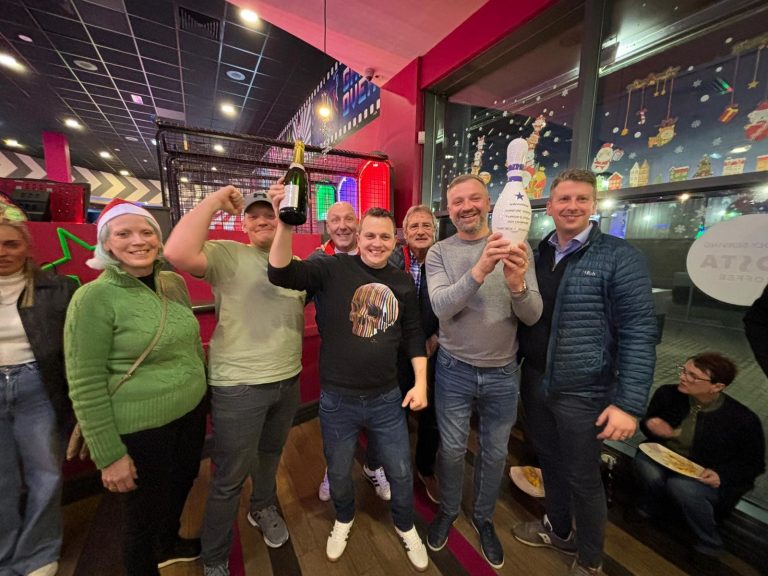
The Furniture Makers’ Company, the City of London livery company and charity for the furnishing industry, has marked a milestone after raising more than £250,000 for good causes in the sector over the last year via a series of fundraising events held across the UK, including in West Yorkshire.
The livery company has supported the welfare of people working in the UK furnishing industry for more than 120 years and aims to help anyone from the industry, past or present, in need of financial help. The organisation awards grants, covering anything from essential household bills and disabled adaptations to funeral expenses and respite or convalescent breaks for those in need.
Over the past 12 months, the Furniture Makers’ Company and its eight regional committees have organised a series of regional charity events, ranging from an annual Yorkshire curry night hosted by the Aagrah Midpoint restaurant in Bradford, which raised £2,000 and a Yorkshire bowling night also in Bradford, to a clay pigeon shoot in the South East, a Buckinghamshire charity hoedown, a sponsored walk in the North West, a North East golf day and a tug of war tournament in the Midlands.
“Our role is to sustain a thriving British furnishing industry and a key part of this focuses on supporting those in need from within our ranks and those who have served the sector in the past,” said Jonny Westbrooke, CEO of The Furniture Makers’ Company. “Whether it’s coping with financial hardship due to the impact of bereavement, relationship or family breakdown, illness, reduced work hours or redundancy, we are here to help.”
He added: “As a long-established livery company, we are fortunate to have a loyal and enthusiastic membership who work hard to support our aims. Despite being based in the City of London, we represent businesses and sole traders right across the UK.
“Over the last year, with the help of our members, we have been able to support more people in need than ever across our vibrant, creative industry, from aspiring designer-makers still in education, to people working in every aspect of furnishing, and those who are retired.
“We’re really proud to have raised one of the largest amounts in our long history and look forward to another year of supporting people within the furnishing industry, whether it’s by providing grants or practical, useful advice.”
Connectivity shortfalls hinder tech investment on UK farms

A lack of reliable internet access is limiting productivity gains and delaying digital adoption across UK agriculture, according to new industry data.
The survey, commissioned by infrastructure provider CityFibre, found that 8% of farms still have no internet access, while 42% of respondents cite slow or unstable connections as a key barrier to investing in new technology. This comes despite nearly 60% of farmers expecting to scale up their use of digital tools—including AI and real-time data systems—over the next five years.
While cost remains the top obstacle to tech investment, poor connectivity is directly undermining the uptake of precision farming, operational automation, and digital admin tools. On farms where full fibre broadband is already in place, respondents reported tangible improvements in efficiency and diversification.
The issue goes beyond operations. Poor rural broadband is also disrupting workflows at the household level, with 90% of farmers avoiding internet use at peak times, creating friction in both business and personal settings.
CityFibre, one of the private players tasked with delivering the UK Government’s Project Gigabit programme, has secured £865 million in public funding to build out fibre networks across nine rural regions. Combined with private co-investment, the initiative represents £1.2 billion aimed at connecting over 1.3 million homes and businesses.
With agriculture under pressure to modernise amid rising costs and tight margins, the survey reinforces the commercial case for accelerated digital infrastructure in underserved areas.